Understanding Prameha and Madhumeha through Charaka Samhita, Sushruta Samhita, Ashtanga Hridaya, and modern metabolic science.
Introduction
Diabetes is one of the most common metabolic disorders affecting people worldwide. Changes in dietary habits, reduced physical activity, abdominal obesity, chronic stress, irregular sleep, and hereditary factors contribute to the increasing incidence of type 2 diabetes.
However, diabetes is not simply a condition of increased blood sugar. It is a complex metabolic disorder that can affect the blood vessels, heart, kidneys, eyes, nerves, liver, and other vital organ systems over time.
Long before the development of modern diagnostic investigations, the classical Ayurvedic physicians—Acharya Charaka, Acharya Sushruta, and Vagbhata—described a comprehensive group of urinary and metabolic disorders known as Prameha, including Madhumeha, which bears profound clinical similarities with diabetes mellitus.
"Ayurveda places considerable importance on diet, lifestyle, metabolic function (Agni), Dosha involvement, tissue nourishment (Dhatuposhana), and individualized treatment. True wellness begins with addressing the root metabolic imbalance rather than chasing temporary numbers."
At Anantha Ayurveda Clinic, we emphasize a comprehensive approach involving classical Ayurvedic assessment, appropriate dietary regulation, regular physical activity, metabolic health education, and individualized treatment.
Clinical Video: Metabolic Health in Ayurveda
Dr. Sumedha Katte discusses restoring Agni, healthy metabolism, and classical Ayurvedic lifestyle balance:
1. Understanding Diabetes and Its Different Types
Diabetes mellitus is characterized by persistently elevated blood glucose levels resulting from inadequate insulin production, reduced insulin sensitivity (insulin resistance), or both. Insulin is an essential hormone produced by the beta cells of the pancreas that regulates carbohydrate, fat, and protein metabolism.
The major clinical forms of diabetes include:
- Type 1 Diabetes: An autoimmune condition involving the progressive destruction of insulin-producing pancreatic beta cells. Daily insulin therapy is essential for survival.
- Type 2 Diabetes: A metabolic disorder characterized by peripheral insulin resistance accompanied by a progressive decline in insulin secretion. This accounts for the vast majority of cases globally.
- Gestational Diabetes: Diabetes first recognized during pregnancy that does not clearly meet the criteria for pre-existing overt diabetes.
- Other Specific Types: Diabetes resulting from monogenic syndromes, diseases of the exocrine pancreas (such as chronic pancreatitis), endocrinopathies, or medication-induced states (e.g., glucocorticoid therapy).
Type 2 diabetes is intricately linked with insulin resistance, excess abdominal and visceral adiposity, physical inactivity, poor dietary choices, and hereditary susceptibility.
2. Early Signs and Symptoms of Diabetes
Diabetes often develops insidiously. In many individuals, high blood sugar progresses quietly without overt symptoms for several years until subtle metabolic signs appear.
Common clinical warning signs include:
- Frequent urination (polyuria), particularly troublesome nighttime urination (nocturia)
- Excessive and unquenchable thirst (polydipsia)
- Increased hunger even after meals (polyphagia)
- Unexplained weight loss despite normal or increased food intake
- Persistent fatigue, sluggishness, and reduced vitality
- Intermittent blurred vision
- Slow healing of minor cuts, bruises, or skin abrasions
- Recurrent skin, urinary tract, or gum infections
- Burning sensation, tingling, numbness, or "pins and needles" in the feet and lower limbs
- Recurrent genital fungal infections (candida)
Additionally, some individuals develop dark, thickened, velvety pigmentation around the neck folds, armpits, or knuckles—known clinically as acanthosis nigricans—which serves as a key cutaneous marker of underlying insulin resistance.
Because many individuals with prediabetes exhibit no symptoms at all, periodic laboratory screening of blood glucose and HbA1c is essential for individuals with risk factors.
3. Diabetes in Ayurveda: Prameha and Madhumeha
The classical Ayurvedic Samhitas categorize urinary, kidney, and metabolic dysfunctions under the comprehensive umbrella of Prameha. Prameha denotes disorders characterized by abnormalities in the quantity, frequency, and qualitative characteristics of urine.
The two cardinal clinical features repeatedly cited across classical treatises are:
- Prabhuta Mutrata: Excessive volume and frequency of micturition.
- Avila Mutrata: Turbidity, discoloration, or altered density and sediment in urine.
Acharya Charaka provides a systematic classification of twenty varieties of Prameha, organized according to the predominant Dosha involved:
| Classical Classification | Number of Varieties | Clinical Characteristics |
|---|---|---|
| Kaphaja Prameha | 10 | Associated with heavy, unctuous, cold, cloudy, and pale urine; early stage of metabolic congestion. |
| Pittaja Prameha | 6 | Associated with hot, pungent, acidic, yellow, or reddish-tinged urine; inflammatory metabolic phase. |
| Vataja Prameha | 4 | Severe, deep-seated tissue depletion (*Dhatukshaya*), chronic progression; includes Madhumeha. |
| Total Varieties | 20 | Complete classical spectrum of metabolic urinary disorders. |
Madhumeha (literally translated as "sweet urine disease") is classified among the Vataja forms of Prameha and presents the closest classical parallel to chronic diabetes mellitus. However, the ancient conceptualization of Prameha is broader than modern diabetes alone, requiring physicians to understand both systems within their respective clinical paradigms.
"Classical Reference: Charaka Samhita, Nidana Sthana, Chapter 4 — Prameha Nidana, detailing the constitutional etiology, pathogenesis, and doshic categorization of metabolic urinary conditions."
4. Charaka Samhita: Diet, Lifestyle, and the Development of Prameha
Acharya Charaka outlines the primary causative factors (*Nidana*) and pathogenesis (*Samprapti*) of Prameha with extraordinary clarity. The classical analysis underscores the role of excessive nourishment, improper dietary combinations, physical lethargy, and subsequent vitiation of Kapha Dosha and Meda Dhatu (adipose tissue).
Primary contributing factors highlighted in Charaka Samhita include:
- Excessive consumption of sweet, heavy, cold, and excessively rich foods
- Frequent intake of unctuous, deep-fried, and dairy-rich delicacies (*Snigdha Ahara*)
- Sedentary lifestyle and lack of physical exercise (*Avyayama*)
- Excessive sleep, especially sleeping during daytime hours (*Divaswapna*)
- Excessive comfort, prolonged sitting, and indolence (*Asyasukhani*)
- Over-nourishment beyond the body's digestive and metabolic capacity (*Santarpana*)
- Progressive accumulation and sluggishness of Kapha and Meda Dhatu
- Constitutional and hereditary predisposition (*Sahaja/Beeja Dosha*)
These classical observations written over two millennia ago remain stunningly accurate descriptions of today's obesogenic environment and sedentary metabolic risks.
Kapha and Meda in Metabolic Health
In Ayurvedic physiology, Kapha Dosha governs stability, lubrication, and structural integrity, while Meda Dhatu represents body fat and lipid tissue. When chronic excess nutrition meets low physical expenditure, Kapha becomes vitiated and Meda expands abnormally, clogging the microchannels (Srotorodha) and disrupting cellular metabolic fire (Dhatvagni).
Modern endocrinology echoes this exact mechanism: excess visceral adipose tissue secretes inflammatory cytokines, alters free fatty acid turnover, and triggers peripheral insulin resistance. Both paradigms recognize that managing fat tissue metabolism is the linchpin of diabetes prevention.
"Classical References: Charaka Samhita, Nidana Sthana, Chapter 4; Chikitsa Sthana, Chapter 6."
5. Madhumeha: The Classical Ayurvedic Perspective
Madhumeha is characterized by urine that acquires the sweet taste, color, and properties of honey (Kashaya-Madhura), accompanied by systemic metabolic weakness. In classical practice, physicians categorize Madhumeha patients into two distinct clinical phenotypes:
- Sthula Pramehi (The Well-Nourished / Obese Diabetic): Characterized by abdominal obesity, high body mass, increased appetite, sedentary habits, and Kapha-Meda predominance. This corresponds closely to typical lifestyle-associated Type 2 Diabetes with prominent insulin resistance.
- Krisha Pramehi (The Emaciated / Depleted Diabetic): Characterized by progressive weight loss, profound muscle wasting, dehydration, dry skin, weakness, and Vata predominance. This mirrors insulin-deficient states, advanced long-standing diabetes, or Type 1 presentations.
This fundamental distinction is of immense therapeutic importance: a well-nourished, overweight patient requires reducing and detoxifying therapy (Apatarpana), whereas a weak, depleted patient requires gentle nourishing and restorative care (Brimhana). A standardized, one-size-fits-all prescription is contrary to classical Ayurvedic wisdom.
6. Sushruta Samhita: Hereditary and Lifestyle-Related Diabetes
Acharya Sushruta, renowned for his surgical and systemic clinical expertise, classifies Prameha into two primary etiological categories in Sushruta Samhita, Nidana Sthana, Chapter 6:
- Sahaja Prameha: Congenital or genetically inherited Prameha arising from parental germplasm defects (Beeja Dosha). Patients often present with lean constitution, early onset, and severe disease.
- Apathyanimittaja Prameha: Acquired Prameha resulting entirely from unwholesome dietary habits, gluttony, lack of movement, and lifestyle indiscretions.
Contemporary genomic research mirrors this exact dual classification: modern medicine differentiates between genetic susceptibility and modifiable environmental triggers. Sushruta emphasized that while inherited risk requires diligent lifelong management, lifestyle-induced metabolic dysfunction can be prevented and improved through disciplined Pathya Ahara and Vyayama.
Clinical Video: Ayurvedic Diet & Regimen
Dr. Sumedha Katte shares clinical perspectives on daily nutrition, glycemic control, and metabolic balance:
7. Ashtanga Hridaya: Prameha and Metabolic Regulation
Acharya Vagbhata synthesizes the teachings of Charaka and Sushruta in Ashtanga Hridaya (Nidana Sthana, Chapter 10; Chikitsa Sthana, Chapter 12). Vagbhata details the progression of metabolic disorders, emphasizing that if Kapha-predominant Prameha is neglected in its early stages, it progressively vitiates deeper tissues (Dhatus), transforms into Pittaja forms, and ultimately culminates in incurable Vataja Madhumeha.
Vagbhata vigorously advocates for Vyayama (systematic exercise) and strict dietary discipline as non-negotiable foundations of metabolic recovery. The text notes that physical exertion dissolves accumulated Kapha, sharpens Agni, and restores unobstructed channel circulation.
8. Insulin Resistance: The Important Stage Before Diabetes
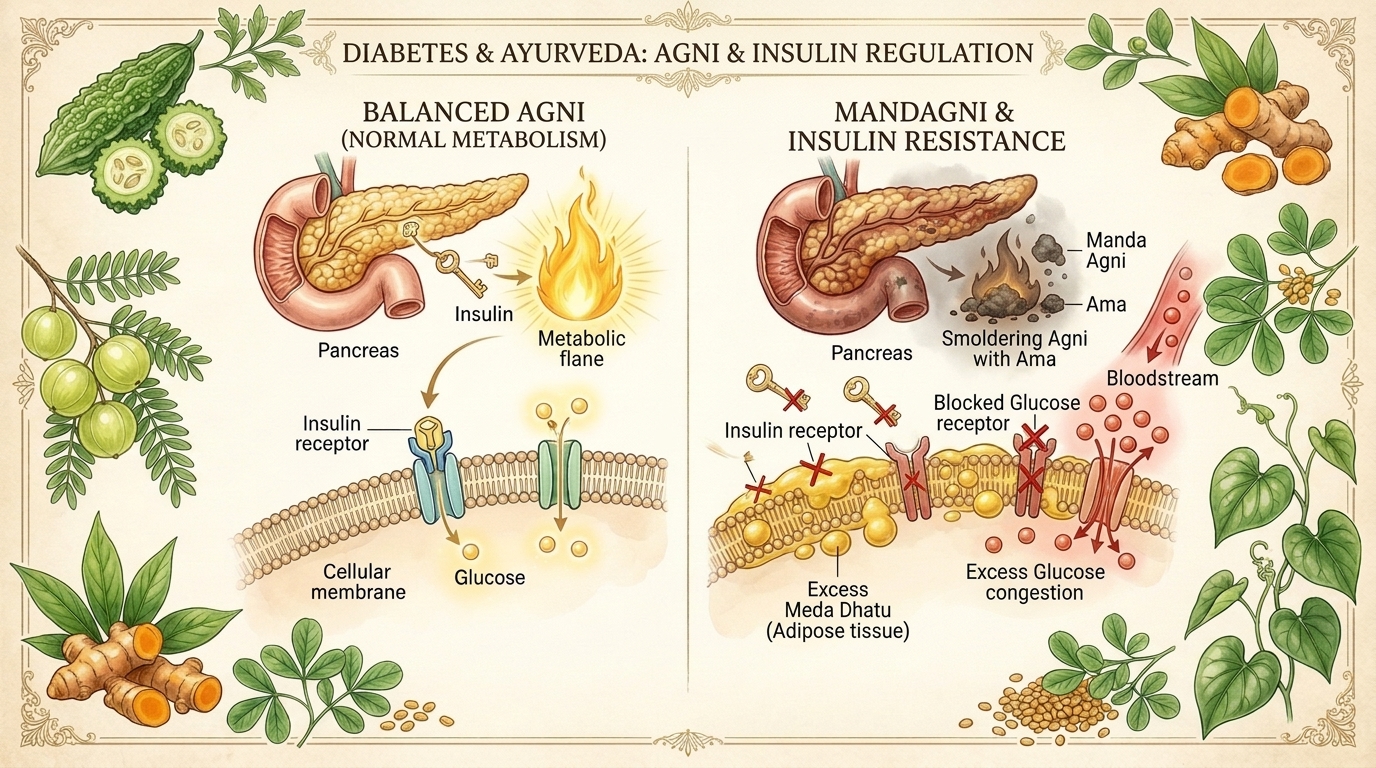
Insulin resistance represents the core pathophysiology underlying type 2 diabetes, metabolic syndrome, and fatty liver disease. In this state, skeletal muscle, liver, and fat cells respond sub-optimally to insulin, failing to absorb glucose from the bloodstream efficiently.
The pancreas compensates by pumping out increasingly higher amounts of insulin (compensatory hyperinsulinemia). For years, blood glucose may appear superficially normal on basic tests, but over time, pancreatic beta cells experience exhaustion, blood sugar escalates, and prediabetes or type 2 diabetes is diagnosed.
Key drivers of insulin resistance include:
- Excess visceral abdominal fat
- Physical inactivity and prolonged sedentary sitting
- Loss of skeletal muscle mass (sarcopenia)
- Genetic predisposition and familial history
- Chronic sleep deprivation and irregular circadian rhythms
- Untreated obstructive sleep apnea
- Metabolic Dysfunction-Associated Steatotic Liver Disease (MASLD / Fatty Liver)
- Polycystic Ovary Syndrome (PCOS) in women
- Chronic elevated cortisol from unrelenting stress
Why Abdominal Obesity Is So Damaging
Subcutaneous fat beneath the skin is relatively benign compared to visceral fat stored deep inside the abdominal cavity around vital organs. Visceral fat is metabolically active endocrine tissue: it pours free fatty acids and pro-inflammatory cytokines directly into the portal circulation, impairing hepatic insulin clearance and inflaming blood vessels.
Reducing abdominal circumference by just 5–10% dramatically relieves the metabolic burden on the liver and restores cellular insulin responsiveness. In Ayurveda, this directly equates to clearing Medo-dhatvagni mandya and eliminating channel-blocking Ama.
9. Prediabetes: An Important Opportunity for Prevention
Prediabetes is a critical metabolic "window of opportunity." Blood sugar levels are elevated above normal ranges but have not yet crossed the formal diagnostic threshold for diabetes. Importantly, vascular and microvascular damage can already begin quietly during the prediabetic phase.
| Diagnostic Investigation | Normal Range | Prediabetes Threshold | Diabetes Threshold |
|---|---|---|---|
| Fasting Plasma Glucose (FPG) | Below 100 mg/dL | 100 – 125 mg/dL | 126 mg/dL or higher |
| Glycated Hemoglobin (HbA1c) | Below 5.7% | 5.7% – 6.4% | 6.5% or higher |
| 2-Hour 75g OGTT (Oral Glucose Tolerance) | Below 140 mg/dL | 140 – 199 mg/dL | 200 mg/dL or higher |
Prediabetes must never be viewed as an inevitable sentence to lifelong diabetes. With timely clinical guidance, personalized nutrition, and lifestyle intervention, the majority of people with prediabetes can successfully normalize their blood glucose and reverse metabolic decline.
10. How to Improve Insulin Sensitivity
Restoring cellular insulin sensitivity requires persistent, coordinated improvements across nutrition, muscle activation, sleep quality, and daily habits:
- Achieve and Maintain Healthy Body Composition: In individuals with overweight or abdominal adiposity, losing just 5% to 7% of total body weight reduces the risk of progression to type 2 diabetes by nearly 60%.
- Engage in Regular Muscle-Targeted Physical Activity: Skeletal muscle is the primary organ responsible for clearing glucose from the blood. At least 150 minutes of moderate aerobic exercise per week (e.g., brisk walking), paired with 2–3 sessions of resistance training or bodyweight yoga, enhances GLUT-4 glucose transporters independently of insulin.
- Take a 10–15 Minute Walk After Meals (*Shatapadi*): The classical Ayurvedic practice of walking 100 paces after eating (*Shatapadi*) significantly blunts postprandial glucose surges by utilizing circulating glucose for immediate muscular work.
- Optimize Nutritional Quality: Eliminate sugary beverages, refined flours, and ultra-processed foods. Prioritize dietary fiber, antioxidant-rich vegetables, and clean plant proteins.
- Protect Deep Sleep (7–8 Hours Nightly): Poor sleep elevates evening cortisol, stimulates ghrelin (hunger hormone), and sharply induces insulin resistance the following morning. Maintain regular bedtimes.
- Break Up Prolonged Sitting: Sitting uninterrupted for hours triggers metabolic torpor. Stand up, stretch, or walk for 2 minutes every half hour.
11. Ayurvedic Diet and Lifestyle Protocol for Diabetes
Dietary regulation (Pathya Ahara) and avoidance of aggravating factors (Nidana Parivarjana) constitute the bedrock of Ayurvedic diabetes care. At Anantha Ayurveda Clinic, Dr. Sumedha Katte designs nutritional protocols emphasizing low glycemic load, high fiber, wholesome proteins, and healthy fats tailored to the patient's unique metabolic profile.
1. Low-Glycemic, High-Fiber Whole Grains & Legumes
Incorporate complex carbohydrates that release glucose slowly into the bloodstream:
- Green Gram (Mudga): Highly praised in classical texts for its light, easily digestible, and metabolism-balancing properties. Consumed as whole moong, sprouted beans, or dal.
- Barley (Yava) & Jowar (Sorghum): Barley is explicitly highlighted by Acharya Charaka as the premier cereal for Prameha due to its dry, scraping (Lekhana), and Kapha-reducing qualities.
- Horse Gram (Kulattha): A potent metabolic legume that aids in scraping excess Meda Dhatu and toning sluggish channels.
- Non-Starchy Vegetables: Bitter gourd (Karela), bottle gourd (Lauki), ridge gourd (Turai), drumstick, pointed gourd (Patola), green beans, spinach, and methi leaves should fill half your plate at every meal.
2. Protein-Rich, Low-Carb Breakfast Alternatives
Avoid high-glycemic breakfasts dominated by refined rice and maida. Instead, choose:
- Moong dal chilla with grated vegetables
- Multigrain vegetable thalipeeth or jowar roti
- Sprouted green gram salad tossed with cucumber, lemon, and a pinch of black pepper
- Fermented mixed-pulse and vegetable preparations
3. Methi (Fenugreek) and Flaxseeds
Fenugreek seeds contain unique galactomannan soluble fiber and 4-hydroxyisoleucine, which slow intestinal carbohydrate absorption and stimulate natural insulin release. Flaxseeds provide plant-based omega-3 fatty acids (alpha-linolenic acid) and lignans that improve vascular elasticity.
A teaspoon of lightly roasted fenugreek and flaxseed powder taken with warm water before meals supports healthy postprandial levels.
4. Classical Duo: Amalaki and Haridra (Nisha-Amalaki)
The synergy of Amla (Indian gooseberry) and Haldi (Turmeric) is among the most revered formulations in Ayurvedic medicine for Prameha. Amalaki provides natural polyphenols and bioavailable vitamin C that counter oxidative damage, while Haridra's curcuminoids help soothe cellular inflammation and enhance liver metabolic clearance.
5. Mindful Fruit Consumption
Choose whole fruits with lower glycemic index and high pectin fiber, such as Indian gooseberry (Amla), guava, green apples, pomegranate, and papaya. Consume whole fruits rather than juices, which strip beneficial fiber and spike blood sugar rapidly.
6. Foods to Strictly Minimize
- Refined white sugar, jaggery, honey in high amounts, corn syrups, and confectioneries
- Refined wheat flour (maida), white bread, pastries, and packaged biscuits
- Deep-fried snacks, chips, and trans-fat-laden foods
- Carbonated soft drinks, sweetened packaged teas, and canned fruit juices
- Heavy, cold, unpasteurized dairy, curd consumed at night, and excessive cheese
- Excessive portions of polished white rice (replace with aged brown rice, barley, or jowar)
"Classical References: Charaka Samhita, Chikitsa Sthana, Chapter 6; Sushruta Samhita, Chikitsa Sthana, Chapter 11; Ashtanga Hridaya, Chikitsa Sthana, Chapter 12."
12. Classical Ayurvedic Treatment Principles for Prameha
Ayurvedic management of Prameha is structured around restoring cellular digestion (Agni), clearing obstructed channels (Srotorodha), and safeguarding vital tissues. The core treatment principles include:
- Nidana Parivarjana: Meticulously eliminating dietary and lifestyle habits that fuel Kapha and Meda accumulation.
- Apatarpana & Langhana (Reducing Therapy): Indicated for well-nourished, overweight (*Sthula*) patients. Employs dry powder massages (Udvartana), light scraping diets, and active herbal decoctions to burn excess fat.
- Brimhana (Restorative Therapy): Indicated for depleted, lean (*Krisha*) patients suffering from tissue wasting and Vata exhaustion. Employs gentle nourishing Rasayanas without spiking blood glucose.
- Samshamana Chikitsa: Administration of targeted internal herbs to pacify vitiated Doshas, support beta-cell function, and optimize hepatic lipid metabolism.
- Shodhana Chikitsa (Panchakarma): Supervised therapeutic cleansing procedures, such as mild Virechana (purgation) or Vamana (emesis) in selected, robust patients, administered only after carefully evaluating glycemic stability and kidney-liver parameters.
13. Important Ayurvedic Medicinal Plants in Diabetes and Metabolic Health
Classical texts and modern pharmacological research identify several botanicals with powerful metabolic, glycemic, and vascular benefits:
1. Amalaki (Phyllanthus emblica)
Amalaki is a revered Rasayana (rejuvenator). Modern randomized controlled trials demonstrate that standardized extracts of Amalaki significantly improve endothelial function—the delicate inner cellular lining of blood vessels—and reduce key biomarkers of oxidative stress in patients with Type 2 Diabetes.
2. Haridra (Curcuma longa)
Curcumin from turmeric down-regulates inflammatory pathways (such as NF-κB), improves insulin receptor sensitivity, and assists in hepatic steatosis (fatty liver). Its clinical application alongside Amla forms the classic formula Nisha-Amalaki.
3. Guduchi (Tinospora cordifolia)
Known as Amrita, Guduchi modulates immune response and exhibits experimental hypoglycemic and antioxidant properties. Genuine botanical sourcing and physician guidance are vital to ensure purity and avoid contaminated adulterants.
4. Meshashringi (Gymnema sylvestre / Gurmar)
Translating to "the sugar destroyer," Gymnema's active gymnemic acids temporarily suppress the perception of sweet taste on tongue receptors and competitively bind to intestinal glucose receptors, decreasing sugar absorption. Human clinical trials have reported meaningful improvements in fasting glucose, postprandial glucose, and HbA1c.
5. Vijayasara (Pterocarpus marsupium)
Historically infused into wooden water tumblers, Vijayasara contains flavonoids (epicatechin and marsupsin) documented to support pancreatic beta-cell health and improve glucose utilization.
Note: The selection of Ayurvedic botanicals must always be tailored by an experienced physician, taking into account the patient's existing allopathic prescriptions, liver-kidney labs, and home glucose logs.
14. Diabetes Complications: Why Long-Term Control Matters
Chronic hyperglycemia damages blood vessels and nerve fibers throughout the body. Complications develop gradually, making preventive surveillance indispensable:
- Diabetic Neuropathy: Nerve fiber damage resulting in tingling, burning feet, loss of protective sensation, or debilitating pain.
- Diabetic Nephropathy: Microvascular injury to kidney glomeruli, causing microalbuminuria and progressive chronic kidney disease.
- Diabetic Retinopathy: Fragile blood vessel proliferation and leakage in the retina, threatening vision loss.
- Cardiovascular Disease: A twofold to fourfold elevation in the risk of myocardial infarction, coronary artery disease, and ischemic stroke.
- Diabetic Foot Complications: Peripheral artery insufficiency coupled with sensory neuropathy, leading to unnoticed blisters, recalcitrant ulcers, and severe infection risk.
- Other Systemic Effects: Periodontal infections, erectile dysfunction, recurrent skin boils, and non-alcoholic fatty liver progression.
Maintaining optimal blood pressure (< 130/80 mmHg), healthy lipid fractions, and steady HbA1c (< 7% in most adults) dramatically lowers the incidence of these debilitating long-term complications.
15. Ayurvedic Perspective on Prameha Upadrava
Classical treatises detail the complications (Upadrava) of poorly controlled Prameha with extraordinary clinical accuracy. Acharya Sushruta devotes dedicated chapters (Chikitsa Sthana, Chapters 11–12) to Prameha Pidaka—ten varieties of deep-seated carbuncles, furuncles, and diabetic soft-tissue abscesses (such as Sharavika, Sarshapika, and Kacchapika) arising from vitiated Meda and Rakta.
Classical texts also describe generalized tissue wasting (Dhatukshaya), chronic debility, sensory changes, and loss of vital essence (Ojas), warning that unmanaged Prameha steadily saps the body's resilience.
16. Dinacharya and Lifestyle Discipline
Ayurvedic medicine teaches that health is maintained through harmonious daily rhythms (Dinacharya):
- Wake Early (Brahma Muhurta): Harmonizes circadian hormonal surges and sets a proactive tone for physical movement.
- Warm Hydration: Sipping warm water in the morning stimulates peristalsis and rekindles digestive Agni.
- Daily Vyayama: Engaging in brisk walking, swimming, cycling, or active Surya Namaskar.
- Pranayama and Meditation: Mindful breathing (Nadi Shodhana, Kapalabhati under guidance) reduces sympathetic nervous system drive, lowers cortisol, and stabilizes glucose levels.
- Fixed Meal Schedule: Eating at consistent times prevents unpredictable glycemic fluctuations and supports metabolic predictability.
- Avoid Night Owl Habits: Going to bed by 10:00 PM prevents late-night snacking and nocturnal cortisol spikes.
17. Can Prediabetes Be Reversed?
Yes, conclusively. Multiple landmark global trials, including the Diabetes Prevention Program (DPP), have proven that prediabetes can be reversed back to normal glucose tolerance through sustained lifestyle changes. Targeted weight loss of 5–7%, brisk daily walking for 30 minutes, low-glycemic dietary discipline, and sound sleep restore peripheral insulin sensitivity.
However, because genetic susceptibility persists, individuals must maintain their healthy habits and undergo periodic screening to prevent recurrence.
18. Can Type 2 Diabetes Go Into Remission?
Increasing scientific evidence confirms that many individuals with recently diagnosed Type 2 Diabetes can achieve diabetes remission. Remission is defined by international consensus as maintaining an HbA1c below 6.5% for at least three consecutive months without taking any glucose-lowering pharmaceutical medications.
Remission is most achievable when addressed early in the disease trajectory through significant, sustained fat loss (especially visceral fat around the liver and pancreas). However, remission does not mean a "permanent cure"—if old unhealthy lifestyle habits return, hyperglycemia will recur.
Crucial Medical Safety Warning: Never discontinue or modify prescribed insulin or antidiabetic medications on your own. Any adjustment or deprescribing must be conducted under close medical supervision alongside frequent blood glucose monitoring.
19. A Comprehensive Approach to Diabetes Care
At Anantha Ayurveda Clinic, we believe effective metabolic health requires addressing the complete individual rather than treating isolated blood sugar numbers. Our clinical workflow integrates:
- Detailed Clinical Assessment: Comprehensive review of diabetes history, family lineage, symptoms, body composition, and previous medical history.
- Metabolic Profiling: Objective evaluation of HbA1c, fasting/post-meal glucose, lipid profiles, renal markers (creatinine, urine microalbumin), and liver function tests.
- Ayurvedic Constitution Analysis: Identifying your baseline Prakriti, current Vikriti, state of Agni, and tissue health (Meda and Ojas).
- Personalized Pathya Ahara: Culturally tailored, practical nutritional blueprints built on low-glycemic, high-fiber, and wholesome foods.
- Guided Physical Movement: Custom exercise prescriptions combining daily aerobic walking, resistance movements, and therapeutic yoga.
- Herbal Support: Thoughtfully chosen classical Ayurvedic formulations designed to restore metabolic balance without interfering with ongoing medical care.
- Ongoing Monitoring & Empowerment: Regular clinical follow-ups, home glucose logs, and compassionate lifestyle counselling for sustainable lifelong health.
Diabetes & Metabolic Health Clinical Video Series
Explore Dr. Sumedha Katte's 4-part clinical video masterclass covering Agni restoration, dietary regulation, insulin sensitivity, and long-term complication prevention:
Metabolic Health in Ayurveda
Restoring Agni and metabolic equilibrium through classical Ayurvedic principles.
Ayurvedic Diet & Regimen
Practical guidelines on daily nutrition, low-glycemic foods, and meal balance.
Weight & Meda Dhatu Regulation
Clearing channel blockage (Ama) and improving peripheral insulin responsiveness.
Dinacharya & Complications Prevention
Preventing Prameha Upadrava with daily rhythms, Shatapadi, and Panchakarma.
20. Frequently Asked Questions
help Can Ayurveda help in diabetes management?
Yes. Ayurveda provides detailed understanding of Prameha and Madhumeha, placing emphasis on dietary regulation, lifestyle correction, and individualized treatment. When combined with appropriate medical supervision and regular glucose monitoring, Ayurvedic therapies support systemic metabolic health, insulin sensitivity, and long-term vitality.
help What is the relationship between Madhumeha and diabetes?
Madhumeha is a classical form of Vataja Prameha described in classical Ayurvedic texts, sharing striking clinical similarities with diabetes mellitus, including sweet-smelling turbid urine, excessive thirst, and chronic tissue depletion. However, Ayurvedic and modern diagnostic frameworks differ in nuance and should be understood within their respective clinical contexts.
help Can insulin resistance be improved?
Yes. In the majority of individuals, consistent lifestyle improvements—including moderate weight reduction (5–7%), regular aerobic and resistance physical activity, elimination of refined sugars, and restorative sleep—can significantly enhance cellular insulin sensitivity.
help Is prediabetes reversible?
Yes. Clinical trials worldwide and classical Ayurvedic principles demonstrate that prediabetes can be successfully reversed to normal glucose levels through sustained nutritional discipline and daily physical movement before irreversible beta-cell exhaustion occurs.
help Should people with diabetes avoid rice completely?
Not necessarily. Universal food elimination is unnecessary. Portion size, grain quality, and accompaniment are what matter most. Choosing aged brown rice, jowar, or barley in measured quantities—paired with a generous bowl of non-starchy vegetables and protein-rich pulses—prevents rapid blood sugar spikes.
help Are millets always better than rice for diabetes?
Millets (such as jowar, bajra, and ragi) offer valuable minerals and dietary fiber, but they still contain carbohydrates. Their glycemic impact depends on processing, cooking method, and portion size. Millets should be consumed in moderation as part of a well-balanced plate rather than in limitless quantities.
help Can Ayurvedic herbs protect blood vessels?
Certain classical botanicals—particularly standardized extracts of Amalaki (Amla)—have demonstrated statistically significant improvements in endothelial function, arterial flexibility, and biomarkers of oxidative stress in clinical trials. While encouraging, these herbs complement but do not substitute for comprehensive cardiovascular risk management.
help Can Ayurveda replace insulin?
No. Insulin is absolutely essential and life-saving in Type 1 Diabetes and is frequently required in advanced Type 2 Diabetes. Insulin or prescribed medications must never be stopped or adjusted without direct consultation with your supervising physician.
help What is the most important step in preventing diabetic complications?
Comprehensive risk control: maintaining long-term glycemic control alongside healthy blood pressure, balanced cholesterol fractions, tobacco cessation, and annual screenings for kidney microalbumin, dilated retinal health, and nerve/foot sensation.
Conclusion: Prevention Begins Before Diabetes
One of the most profound lessons from classical Ayurveda is the paramount importance of preserving health before disease becomes entrenched: Swasthasya Swasthya Rakshanam.
The classical descriptions of Prameha in Charaka Samhita, Sushruta Samhita, and Ashtanga Hridaya place deep emphasis on daily diet, physical exertion, individual constitutional susceptibility, Kapha-Meda management, and personalized care. Modern metabolic science arrives at the exact same conclusion: abdominal adiposity, insulin resistance, physical inactivity, and dietary indiscretion are the modifiable roots of Type 2 Diabetes.
Together, these ancient and contemporary perspectives deliver a clear, empowering message:
For individuals with prediabetes, early action offers a pivotal chance to reclaim optimal metabolic health. For those living with diabetes, individualized nutritional guidance, regular exercise, medical management, Ayurvedic assessment, and continuous monitoring provide a sustainable path toward longevity, vitality, and freedom from complications.
Metabolic Wellness Experience at Anantha Ayurveda Retreat
Nestled in the lush, pristine Western Ghats landscape of Malenadu, Karnataka, Anantha Ayurveda Retreat brings authentic classical healing to life. Our restorative health programs combine comprehensive physician assessments, targeted metabolic Panchakarma therapies, farm-to-table Ayurvedic nutrition, therapeutic Yoga, and guided nature immersion to reset your metabolic vitality and restore systemic balance.

Anantha Ayurveda Retreat
Spread across 10 acres of lush greenery near Thirthahalli, Shimoga. Experience authentic classical healing, seasonal Ritucharya Panchakarma, and holistic rejuvenation in nature.
Classical References
- Charaka Samhita — Nidana Sthana, Chapter 4: Prameha Nidana (Classification, causative factors, and pathogenesis of Prameha).
- Charaka Samhita — Chikitsa Sthana, Chapter 6: Prameha Chikitsa (Principles of individualized management, Pathya Ahara, and therapies).
- Sushruta Samhita — Nidana Sthana, Chapter 6: Prameha Nidana (Sahaja vs. Apathyanimittaja Prameha).
- Sushruta Samhita — Chikitsa Sthana, Chapters 11–12: Prameha management and Prameha Pidaka carbuncle treatments.
- Ashtanga Hridaya — Nidana Sthana, Chapter 10: Prameha Nidana.
- Ashtanga Hridaya — Chikitsa Sthana, Chapter 12: Prameha Chikitsa.
Selected Scientific Research
- Usharani P, et al. Effect of Phyllanthus emblica extract on endothelial dysfunction and biomarkers of oxidative stress in patients with type 2 diabetes mellitus. Diabetes, Metabolic Syndrome and Obesity. 2013;6:275–284.
- Usharani P, et al. Effects of a standardized extract of Phyllanthus emblica on cardiovascular risk factors and endothelial function in metabolic syndrome. BMC Complementary and Alternative Medicine. 2019;19(1):97.
- Systematic Review and Meta-Analysis: Curcumin supplementation in non-alcoholic fatty liver disease (NAFLD). 2024. PubMed.
- Systematic Review and Meta-Analysis: Gymnema sylvestre supplementation in glycemic control of type 2 diabetes. 2021. PubMed.
- Multicenter Clinical Study: Tinospora cordifolia botanical identification and safety monitoring. 2022. PubMed.
Anantha Ayurveda Clinic
Multi Speciality Clinic & Panchakarma Centre
Koppa Circle, Thirthahalli, Karnataka
Phone: +91 94813 25360
Medical Disclaimer: This article is intended strictly for health education and does not replace individualized medical diagnosis or clinical treatment. Ayurvedic medicines, dietary interventions, and Panchakarma therapies should always be prescribed following a comprehensive in-person clinical assessment. Prescribed diabetes medications, including insulin, must never be stopped or altered without medical supervision. Severe hyperglycemia, ketosis symptoms, vomiting, dehydration, or suspected diabetic emergencies require immediate emergency medical care.