Sharad Ritu, traditionally associated with the period immediately following the monsoon, marks one of the most vital seasonal transitions in Ayurveda. As the cloudy skies clear, the heavy torrential rains recede, and the warmth of the sun becomes sharper and more prominent, profound energetic changes occur both in the surrounding natural environment and within our physiology.
According to the foundational Ayurvedic science of Ritucharya (seasonal regimen), the Pitta Dosha that accumulated quietly during the damp, cold, and humid rainy season (Varsha Ritu) suddenly undergoes Prakopa (acute aggravation) when exposed to the intense post-monsoon sunlight and dry warmth of Sharad Ritu.
Consequently, Sharad Ritu is traditionally recognized as an essential period for consciously adapting our diet, lifestyle, hydration, and daily routine to restore internal harmony and prevent inflammatory, metabolic, and skin disorders.
"Ritucharya teaches us that disease rarely occurs in isolation—it develops when our internal biological rhythms fall out of step with the macrocosm of nature. Sharad Ritu is the natural window to cool, cleanse, and recalibrate."
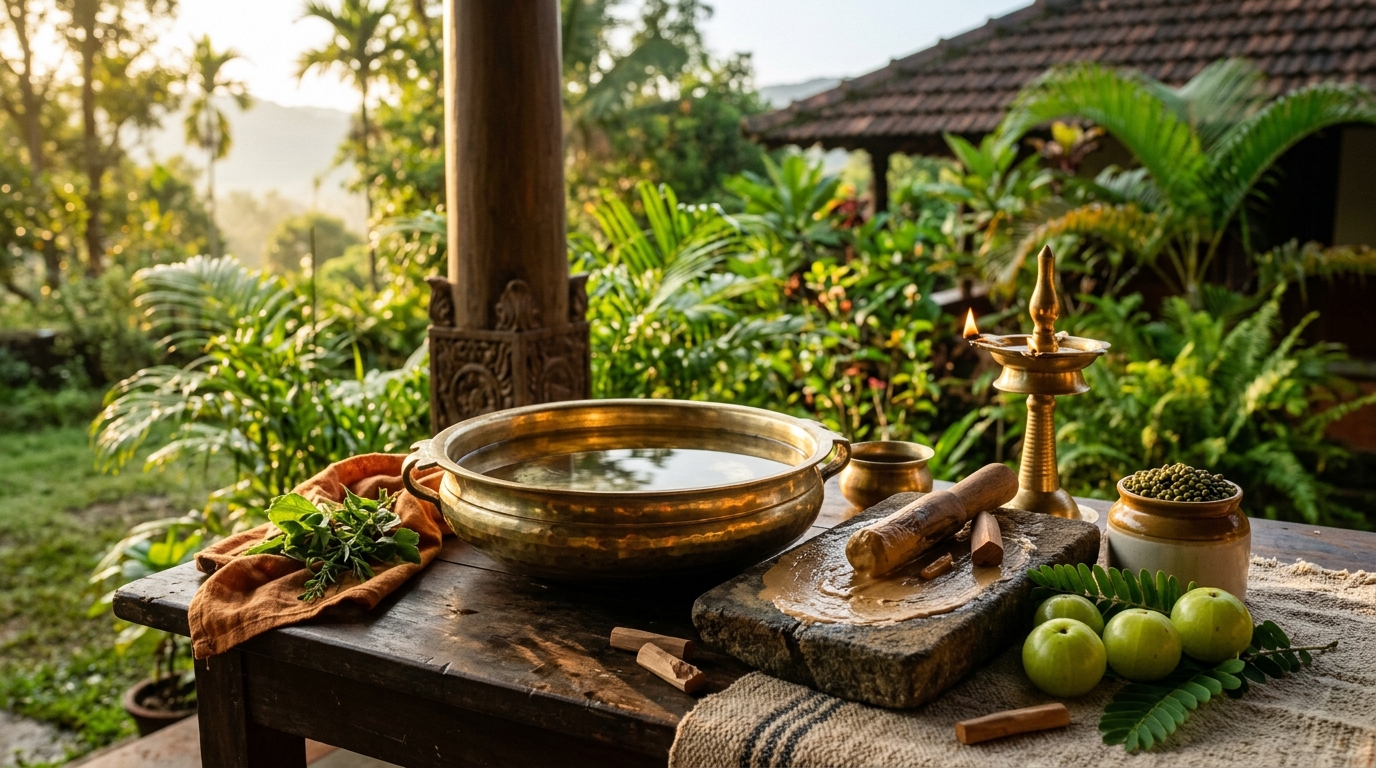
Sharad Ritu and the Dynamics of Pitta Dosha
Ayurveda views human health through continuous seasonal transitions rather than analyzing seasons in isolation. The relationship between seasonal changes and Dosha fluctuations follows a classical three-stage rhythm:
↓
Sharad Ritu (Autumn) → Pitta Prakopa (Aggravation / Flare-up)
↓
Hemanta Ritu (Early Winter) → Pitta Prashama (Natural Pacification)
During Varsha Ritu, water and earth elements predominate, rainwater turns acidic on contact with the earth, and the body's digestive fire (Agni) is inherently weakened. This creates conditions where Pitta accumulates (Sanchaya). When the clouds clear in Sharad Ritu, the sudden penetration of hot, clear sunbeams (Tikshna Surya Rashmi) causes this latent Pitta to boil over and flare up (Prakopa).
In Ayurvedic physiology, Pitta governs digestion, enzymatic metabolism, cellular transformation, visual perception, skin luster, and thermoregulation. When aggravated during this period, individuals often experience:
- Hyperacidity, heartburn, and sour belching
- Skin breakouts, urticaria, rashes, and inflammatory dermatoses
- Excessive bodily heat, profuse sweating, and burning sensations
- Lethargy, irritability, and shortened temper
- Digestive volatility and loose stools (Pitta Atisara)
However, the severity and manifestation of Dosha imbalances vary according to each individual’s unique constitution (Prakriti) and lifestyle habits. Personalized Ayurvedic assessment is therefore vital.
Understanding Pitta Prakriti: Key Constitutional Features
In Ayurveda, each person possesses a unique baseline constitutional balance (Prakriti) determined at conception. Individuals with a predominant Pitta Prakriti naturally express the elemental qualities of Fire (Tejas) and Water (Jala)—warmth, sharpness, intensity, and metabolic vigor. Because Sharad Ritu is the season of peak solar heat and Pitta aggravation, recognizing these classical physical, physiological, and emotional traits is essential for mindful seasonal self-care:

Physical & Structural Traits
- Body Build: Moderate / medium body frame with balanced proportions.
- Skin: Relatively soft, warm, delicate; natural tendency toward reddish or yellowish complexion.
- Skin Tendency: Freckles, moles, or pigmentation; heightened tendency to develop skin sensitivity, flare-ups, or rashes.
- Hair: Relatively fine and soft texture; tendency toward early greying or premature hair thinning.
- Eyes: Sharp, piercing, and relatively light-sensitive; subtle reddish or yellowish tinge may be visible.
Physiological & Metabolic Functions
- Body Temperature: Naturally feels warm to touch.
- Sweating: Comparatively more profuse sweating, often with stronger natural odour.
- Appetite: Strong, robust appetite; cannot easily tolerate skipping meals.
- Digestion: Comparatively strong digestion (Tikshnagni); quick discomfort or hunger if meals are delayed.
- Thirst: Relatively frequent and intense thirst.
- Bowel Habit: Tendency toward softer or looser stools.
- Sleep: Moderate sleep duration (sound, but easily disturbed by overheating).
- Heat Tolerance: Relatively poor tolerance to excessive heat, bright noon sunlight, and humid weather.
Cognitive, Behavioral & Emotional Tendencies
- Speech & Activity: Quick, purposeful, articulate, and sharp responses.
- Temperament: Highly intelligent, decisive, ambitious, goal-driven, and sometimes perfectionistic or irritable.
- Memory & Learning: Fast grasping power, keen analytical intellect, and clear comprehension.
- Emotional Tendency: Greater susceptibility toward anger, impatience, frustration, or irritability under stress.
What Should We Eat During Sharad Ritu?
To gently pacify aggravated Pitta without suppressing the digestive fire, classical Ayurvedic texts specify a dietary approach dominated by three specific tastes (Rasa):
1. Madhura (Sweet)
Naturally sweet, nourishing grains, ghee, and sweet fruits that build Ojas and soothe internal heat.
2. Tikta (Bitter)
Bitter greens, gourd vegetables, and herbs that purify the blood (Rakta Dhatu) and reduce bile secretions.
3. Kashaya (Astringent)
Pulses and pomegranate that heal mucus membranes, tone tissues, and absorb excess fluid secretions.
General dietary principles for this season emphasize that food should be:
- Light (Laghu) and easily digestible to respect the transitional state of Agni
- Fresh and wholesome (Satmya), cooked on the same day
- Moderately cooling (Sheeta Virya) in thermal potency, avoiding extreme cold or fiery heat
- Taken in measured quantities, eating only upon true physical hunger
Classical Foods Associated with Sharad Ritu
The ancient treatises (Charaka Samhita, Sushruta Samhita, and Ashtanga Hridaya) explicitly enumerate specific foods that possess ideal seasonal therapeutic properties:
- Shali (Old Harvested Rice): Especially red rice (Rakta Shali) aged for at least one year; it is sweet, light, non-slimy, and remarkably cooling for the digestive tract.
- Mudga (Green Gram / Moong Dal): The foremost among all lentils in Ayurveda, considered light, astringent, sweet, and soothing to both Pitta and Kapha.
- Amalaki (Indian Gooseberry): A sovereign Rasayana that pacifies all three Doshas—predominantly cooling Pitta without dampening digestion.
- Patola (Pointed Gourd): A mild bitter vegetable celebrated for cleansing the liver, pacifying Pitta, and regulating bowel movements.
- Sharkara (Unrefined Pure Sugar Candy / Mishri): Sweet and cooling, traditionally added to herbal teas and cooling preparations to alleviate internal thirst and burning sensations.
- Madhu (Raw Honey): Used in moderation for its scraping (Lekhana) and Kashaya (astringent) attributes, supporting metabolic cleanliness when taken at room temperature.
- Jangala Mamsa (Dry-Land Meat): For non-vegetarians, meats of animals native to arid or forest environments (such as quail or deer in classical contexts) are recommended over heavy aquatic meats because they are light and non-congesting.
What Should Be Reduced or Avoided?
Just as certain foods soothe Pitta, others inflame it like fuel added to a fire. Ayurveda advises conscious moderation or avoidance of:
- Amla (Excessively Sour Foods): Citrus pickles, vinegar, fermented doughs, tamarind, and unripened fruits.
- Lavana (Excessively Salty Foods): Processed chips, salted snacks, and high-sodium gravies that retain water and overheat the blood.
- Katu (Pungent & Spicy Foods): Red chillies, raw garlic, excessive black pepper, and fiery mustard pastes.
- Ushna (Heating Substances): Piping hot foods, deep-fried snacks, and heavy gravies.
- Dadhi (Curd / Yogurt): Explicitly contraindicated during Sharad Ritu in classical texts because curd is heavy, hot in potency (Ushna Virya), channel-blocking (Abhishyandi), and intensely Pitta-aggravating. Buttermilk (Takra) churned with cumin may be used instead when recommended.
- Alcoholic Beverages & Alkaline Preparations (Kshara): Due to their sharp, heating, and dehydrating properties.
- Aquatic & Marshy Meats (Anupa Mamsa): Meat of fish, crabs, and water-dwelling animals that are heavy, heating, and provoke Pitta-Kapha vitiation.
Eating According to Digestive Fire (Agni) & Appetite
One of the most foundational principles in Ayurvedic medicine is the preservation of Agni. Food is only nourishing when the body possesses the enzymatic strength to digest, absorb, and assimilate it properly.
Sharad Ritu is not a season for drastic starvation or indiscriminate fasting, nor is it a time for overeating heavy festive foods. Meals should be eaten only after the previous meal has been fully digested, characterized by a feeling of lightness in the belly, clear belching, and genuine hunger.
Water During Sharad Ritu: The Classical Wisdom of Haṃsodaka
A distinctive and fascinating concept described in the classical chapters on Sharad Ritucharya is Haṃsodaka (Swan Water).
"In Sharad Ritu, water exposed to the purifying rays of the sun by day and the cooling beams of the moon by night, detoxified by the rising of the Agastya star (Canopus), is called Haṃsodaka. It is spotless, nectar-like, and pacifies all three Doshas."
— Ashtanga Hridaya, Sutrasthana 3
This ancient description highlights how deeply Ayurvedic physicians observed seasonal transformations in natural water bodies. In our modern context, this poetic wisdom translates to ensuring water is clean, boiled, cooled to room temperature, and stored in traditional earthen or copper vessels to maintain purity, softness, and hydration without burdening digestion.
Seasonal Lifestyle Regimen (Sharad Ritucharya)
To maintain equilibrium, our external physical routine must harmonize with the changing season:
- Moderate Sunlight Exposure: Avoid standing or exercising under the harsh midday sun. Morning sunlight (before 8:30 AM) is beneficial, but direct exposure to intense noon heat aggravates Pitta.
- Exposure to Moonlight (Chandrika Sevana): Spending peaceful evening time outdoors under pleasant moonlight during the early night is a time-honored Ayurvedic practice that calms the nervous system, cools bodily heat, and promotes restorative sleep.
- Use of Chandana (Sandalwood) & Cooling Aromas: Applying genuine sandalwood paste, vetiver (Ushira), and rose water to the skin provides topical cooling and reduces sweat odor and burning sensations.
- Avoid Daytime Sleep (Divasvapna): Sleeping during the daylight hours is strictly discouraged in Sharad Ritu because it obstructs micro-channels (Srotas), aggravates both Pitta and Kapha, and triggers sluggish digestion.
- Disciplined Routine: Consistency in sleep timing, meal schedules, physical movement, and digital downtime creates systemic resilience.
Sharad Ritu and Panchakarma: Seasonal Bio-Purification
In classical Ayurveda, Sharad Ritu is hailed as the ideal season for targeted Shodhana (purificatory Panchakarma therapies) to eliminate accumulated Pitta before it manifests as chronic systemic disease.
water_drop 1. Virechana Karma (Therapeutic Purgation)
Virechana is the prime therapeutic modality for eliminating aggravated Pitta Dosha and purifying the liver, gallbladder, and small intestine (the primary seat of Pitta). Following proper preparatory oleation (Snehapana with medicated ghee) and sudation (Swedana), herbal formulations induce controlled therapeutic purgation.
*Note: Virechana must never be undertaken as an over-the-counter home cleanse. It requires thorough clinical assessment of Prakriti, Agni, Bala (physical strength), and health status under physician supervision.
local_pharmacy 2. Tikta Ghrita (Bitter Medicated Ghee)
Classical texts recommend formulations like Mahatiktaka Ghrita or Tikta Ghrita, where bitter, blood-cleansing herbs are cooked in pure cow's ghee. The ghee carries the cooling, anti-inflammatory virtues of bitter herbs deep into the tissues without aggravating Vata.
healing 3. Raktamokshana (Therapeutic Blood-Cleansing)
For specific clinical conditions where vitiated Pitta corrupts the blood tissue (Rakta Dhatu)—such as acute eczema, psoriasis flare-ups, or severe boils—classical Ayurveda prescribes Jalaukavacharana (medicinal leech therapy) or Siravedha under strict sterile, medical care.
Sharad Ritu and Mindful Yoga
Physical activity in Sharad Ritu should be moderate rather than exhausting. Overexertion generates internal friction and heat. Recommended yogic practices include:
- Cooling Pranayama: Sheetali, Sheetkari, and gentle Chandra Bhedana (left-nostril breathing) to cool the body and calm the nervous system.
- Gentle Asanas: Moon Salutations (Chandra Namaskar), gentle forward bends (Paschimottanasana), Cobra Pose (Bhujangasana), and restorative Fish Pose (Matsyasana) to stimulate abdominal organs gently.
- Meditation & Yoga Nidra: Guided visualizations and progressive relaxation to reduce stress-induced Pitta elevation.
Harmonizing Ancient Wisdom with Modern Lifestyle
Modern living introduces unique challenges that were absent in ancient times: continuous air conditioning, late-night screen exposure, chronic mental stress, fast food, and irregular working hours. Ritucharya is not about mechanical adherence to antiquated habits; it is about grasping the core principle:
By making conscious adjustments—such as reducing screen glare after sunset, drinking room-temperature water instead of ice-cold refrigerated drinks, choosing fresh moong dal soup over spicy takeout, and prioritizing evening rest—we can seamlessly experience the benefits of Ritucharya today.
A Practical Daily Sharad Routine (Dinacharya)
Wake before sunrise (Brahma Muhurta). Drink a glass of warm or room-temperature pure water. Practice 20 minutes of gentle yoga and Sheetali pranayama. Eat a light breakfast of warm stewed apples or moong dal porridge according to appetite.
Stay active but avoid direct midday sun. Eat your largest meal at noon when digestive Agni is strongest—incorporating red rice, moong dal, and bitter/sweet gourds. Avoid daytime naps.
Take an early, light dinner by 7:30 PM. Spend 15 minutes relaxing under the evening sky or moonlight. Disconnect from digital screens 1 hour before bedtime and maintain regular sleep by 10:00 PM.
Who Should Seek Individual Guidance?
While general seasonal recommendations benefit everyone, personalized clinical consultation is essential for individuals with:
- Chronic digestive issues (GERD, IBS, ulcerative colitis, gastritis)
- Chronic skin diseases (eczema, psoriasis, acne vulgaris)
- Metabolic disorders and diabetes
- Autoimmune conditions or ongoing prescription medications
- Pregnant and lactating mothers
- Elderly individuals or those recovering from illness
Seasonal Wellness Experience at Anantha Ayurveda Retreat
Nestled in the lush, pristine Western Ghats landscape of Malenadu, Karnataka, Anantha Ayurveda Retreat brings classical Ritucharya to life. Our retreat programs combine thorough physician assessments, authentic seasonal Panchakarma therapies (like Virechana and Matra Basti), organic farm-to-table Ayurvedic dining, therapeutic Yoga, and guided nature immersion to reset your body and mind for the seasons ahead.

Anantha Ayurveda Retreat
Spread across 10 acres of lush greenery near Thirthahalli, Shimoga. Experience authentic classical healing, seasonal Ritucharya Panchakarma, and holistic rejuvenation in nature.
Frequently Asked Questions
Why is Pitta aggravated during Sharad Ritu?
During the rainy season (Varsha Ritu), Pitta accumulates due to acidity and dampness. When the post-monsoon sun emerges with clear skies, the sudden warmth causes accumulated Pitta to flare up, leading to hyperacidity, heat sensations, and skin issues.
What is Haṃsodaka?
Haṃsodaka is water that has been naturally detoxified by solar rays by day and cooled by moonlight by night during Sharad Ritu. It is praised in classical texts for its pristine purity, lightness, and Tridosha-balancing qualities.
Why is curd (yogurt) discouraged after the monsoon?
Curd is heavy, hot in potency (Ushna Virya), and blocks bodily channels (Abhishyandi). Consuming curd in Sharad Ritu intensifies Pitta aggravation, causing skin flare-ups and digestive disturbances.
Can anyone undergo Virechana Panchakarma in Sharad Ritu?
While Sharad Ritu is the classical season for Virechana, it must only be performed after a clinical assessment by an Ayurvedic doctor to ensure proper physical strength (Bala), digestive stability (Agni), and absence of contraindications.
Classical References
- Charaka Samhita – Sutrasthana, Chapter 6 (Tasyashitiyam Adhyaya): Foundational principles of seasonal rhythms, Dosha accumulation, and Pitta management.
- Ashtanga Hridaya – Sutrasthana, Chapter 3 (Ritucharya Adhyaya): Detailed dietary recommendations, lifestyle rules, Hamsodaka description, and seasonal Shodhana protocols.
- Ashtanga Sangraha – Sutrasthana, Chapter 4: Comprehensive classical elaboration of seasonal living and health preservation.
- Sushruta Samhita – Sutrasthana, Chapter 6 (Ritucharyadhyaya): Environmental transitions and therapeutic seasonal purification.
Medical Disclaimer: This article is published solely for educational and informational purposes. Ayurvedic Panchakarma procedures, internal herbal formulations, and therapeutic dietary regimens should always be planned under the guidance of a qualified Ayurvedic physician.